
Marae preparedness across Aotearoa
Is your marae ready to support your community?
What readiness can look like
Practical support across your rohe
Support
When roads are cut off or support services are difficult to reach, your marae can offer a place for people to gather and seek support.
Power and communications
Backup power can keep essential areas operating, while internet, radio and other communication tools help your team stay in touch with whānau and emergency services.
Water, kai and fuel
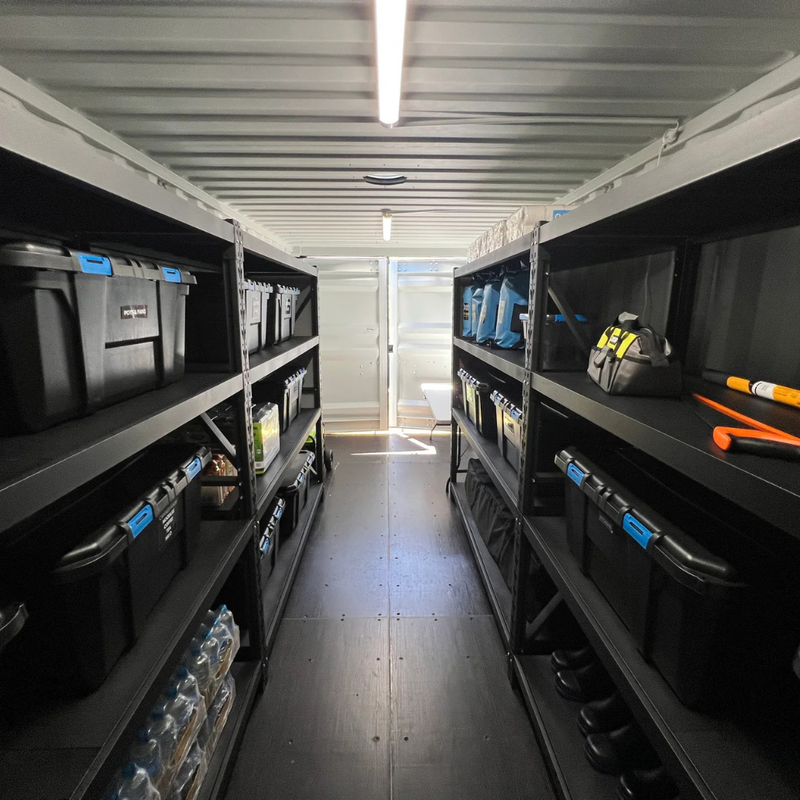
Stored supplies help your marae care for people while access to shops, roads or services is limited.
A trained local team
A clear plan and practical training help the people leading the response understand their roles and make decisions together.
What a Kaitiaki E Tū project can include
Practical systems, shaped for your marae
Each Kaitiaki E Tū project is tailored to the marae, its people and the risks it may face. We work with you to choose the right combination of systems, resources, planning and training.
Power and energy
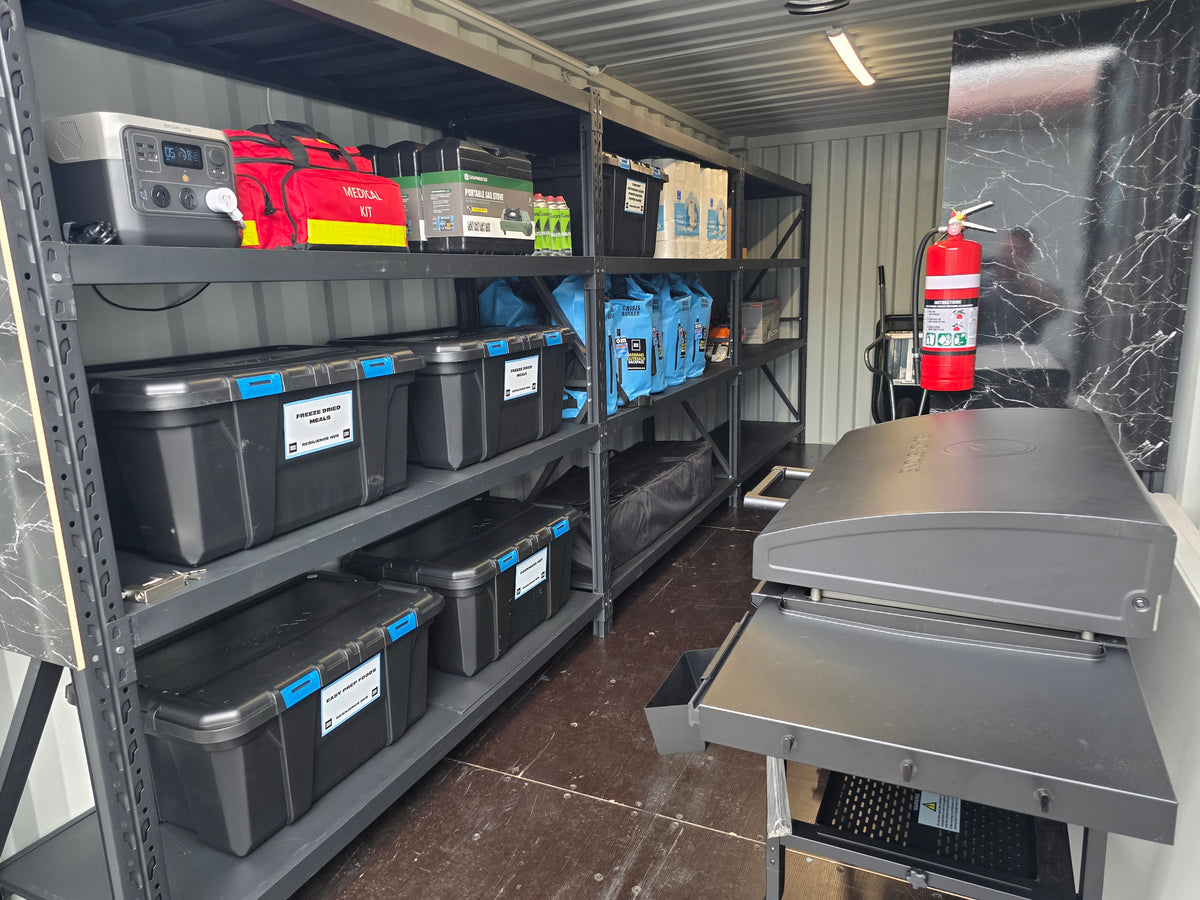
Solar, battery storage and generator backup, plus lighting, communications and refrigeration during an outage.
Water and sanitation
Rainwater collection, drinking water, filtration and storage to help provide safe water when normal services are affected.
Communications
Satellite internet, VHF and UHF radio, satellite phones and Meshcore tools to help your team stay in touch with whānau, neighbouring communities and emergency services.
Kai and wllbeing supplies
Long-life food, cooking equipment and essential supplies to support kai and wellbeing when access to shops or services is limited.
Planning and training
An emergency plan shaped around your marae, supported by a local response team, practical training and simulations.
WELLBEING AND SUPPORT POD
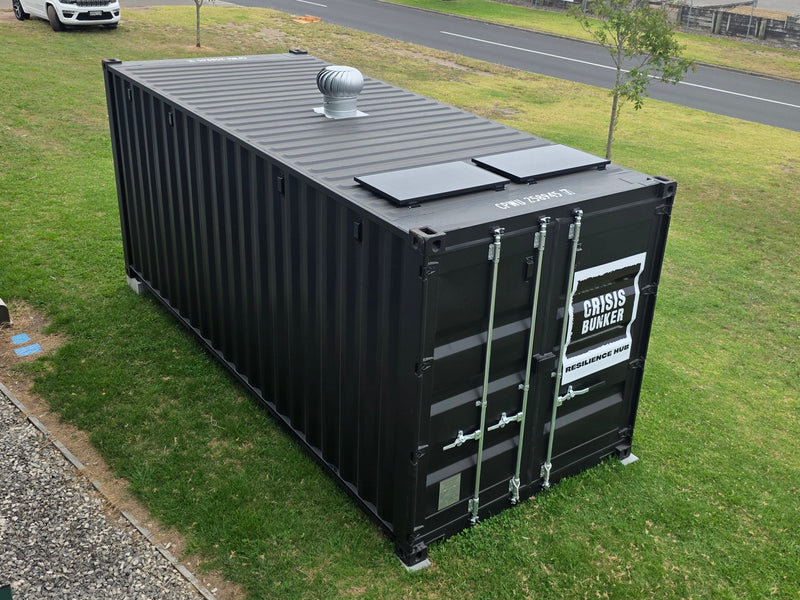
The Wellbeing and Support Pod helps teams set up and coordinate practical support during the first stages of an emergency.
First aid, health, temporary living and hazard assessment can also form part of a project, depending on what is needed at your marae.
The capability programme
Preparedness is built by people
Equipment is useful, but a strong response also relies on people knowing the plan, their roles and how to work together before an emergency happens.
Kaitiaki E Tū is a practical planning and training programme delivered in person at your marae. It includes four facilitated hui, scheduled around your people, and can run alongside a Resilience Hub project or on its own.
- 01Whakawhanaungatanga and stocktakeAn honest picture of your hazards, your resources and your people. Days of water, days of kai, where the coverage dies.
- 02Building the plan and the teamYour activation triggers, your own people matched to the nine functions a response needs, and the hard questions answered.
- 03Plan back and team trainingThe marae adopts the plan. The hub gets opened for real and the team is trained on every function, not just their own.
- 04Simulation and assessmentA full scenario day built from your own hazards, scored against set criteria, with a written findings report and an action list.
Funding support
Turning preparedness into a funded project
We help turn your marae’s priorities into a clear, costed project that is ready to take to funders.
Some marae arrive with a clear project in mind. Others are starting with a concern — limited power, water, communications or space to support whānau during an emergency.
- Scope the project and develop realistic costings.
- Provide specifications, quotes, delivery timelines and installation details.
- Help identify suitable funding opportunities.
- Keep the application in your name and centred on your marae’s priorities.
- Support you through the process, so you are not working it out alone.
Every hub we’ve delivered has been funded externally, rather than from a marae’s own reserves.
Funding decisions are made by the funder. Our role is to help ensure your application is supported by clear information, realistic costs and a well-defined project.

Our approach
We work alongside your marae, guided by your people, tikanga and local knowledge.
- START WITH YOUR MARAE Your hazards, people and tikanga guide the decisions we make together.
- WORK ALONGSIDE WHĀNAU The people who will use the systems help shape how they work.
- BUILD LOCAL CAPABILITY Your response team gains the knowledge and confidence to use the resources and lead a local response.
- SUPPORT WHAT COMES NEXT We can stay connected with maintenance, replenishment and ongoing support as needed.
How it works
From kōrero to local capability
Every project starts with a conversation about your marae, your people and what preparedness could look like for your rohe.
-
01
Informal kōrero
We meet with you in person or by video call to understand your marae, the people you support and what is on your mind.
-
02
UNDERSTANDING YOUR RISKS
Together, we look at local hazards, access routes and what your people may need during an emergency.
-
03
Build, install and train
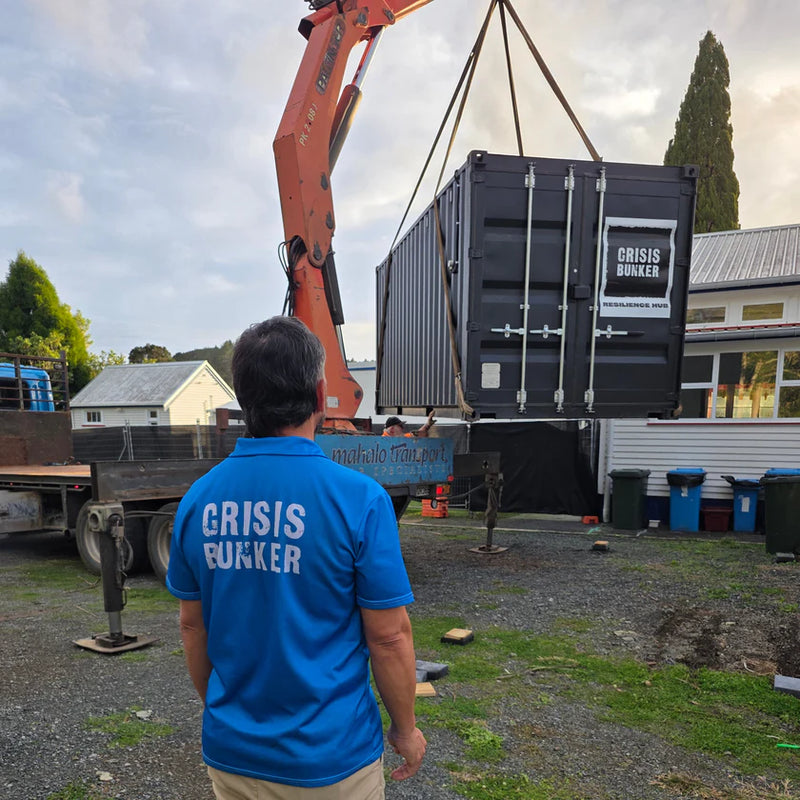
We deliver and install the agreed systems, then work with your response team so they understand the resources and their roles.
-
04
HANDOVER & ONGOING SUPPORT
At handover, your people are ready to lead the response. We then stay alongside your marae with maintenance, replenishment and ongoing support for five years.
Our impact
50+ hubs supporting communities across Aotearoa
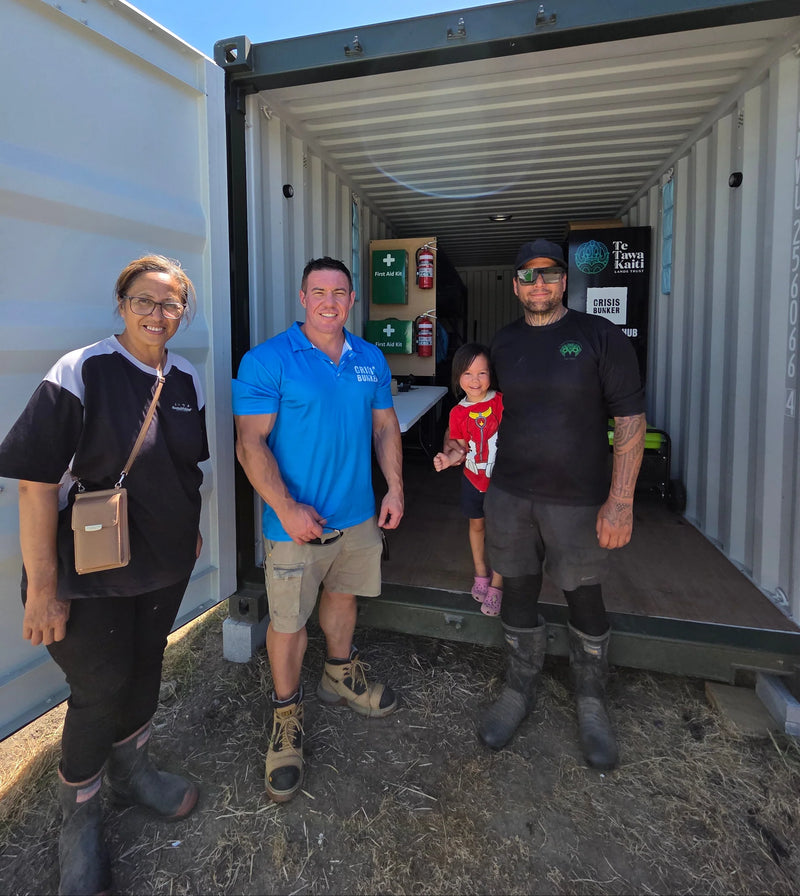
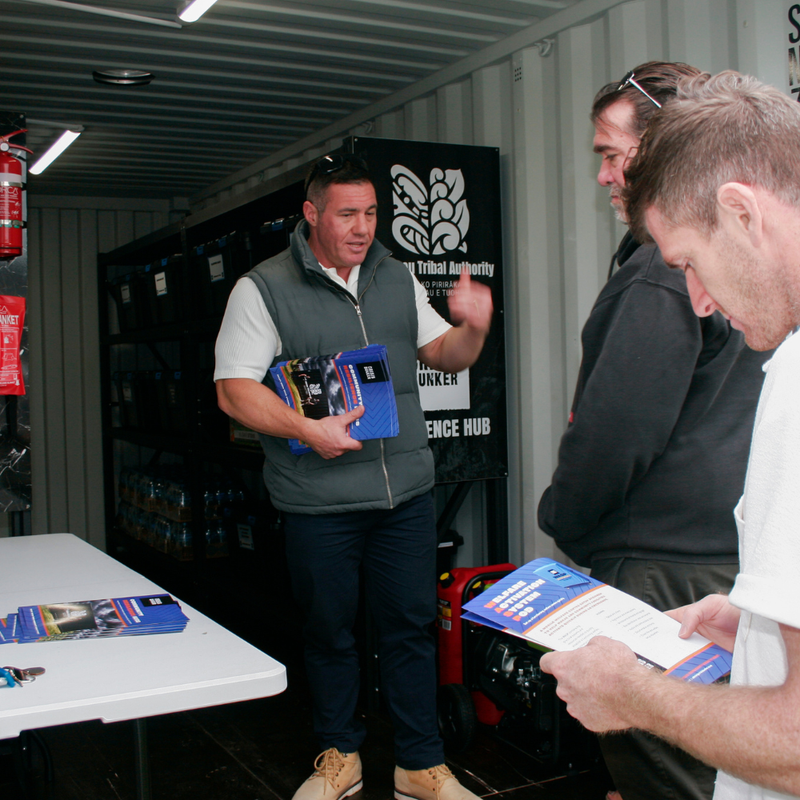
These hubs support the mahi of local people, helping communities stay connected and care for one another when services are disrupted.



WHAT HAPPENS NEXT
Ready to start the kōrero?
Tell us about your marae, the people you support and what preparedness could look like for your rohe. We will listen, answer your questions and help you understand the next steps.
- An informal conversation with no obligation
- Meet with us in person or by video call

